Charging & power · Compatibility
Which E-Bike or Scooter Charger Do I Need? 36V/42V vs 48V/54.6V Explained
Match an e-bike or scooter charger by battery chemistry, nominal voltage, output, connector, polarity and charging current.
In this guide · Jump to a section
Quick answer: A typical 36V lithium-ion battery may use a charger with 42V output, while a typical 48V 13-series lithium-ion battery may use 54.6V output. These values are not interchangeable. Match the battery label, chemistry, connector, polarity and permitted charging current exactly.
Never choose a charger only because the plug appears to fit. Record the battery's nominal voltage and charge voltage, then compare the original charger's DC output. The 100–240V AC input printed on many adapters is not the voltage delivered to the battery.

Common relationships
| Battery label | Common charger output | Warning |
|---|---|---|
| 36V nominal lithium-ion | 42V | Still verify connector, polarity and current |
| 48V nominal 13S lithium-ion | 54.6V | Never use on a 36V pack |
| Unknown label | Do not guess | Contact the manufacturer or technician |
Connector and polarity
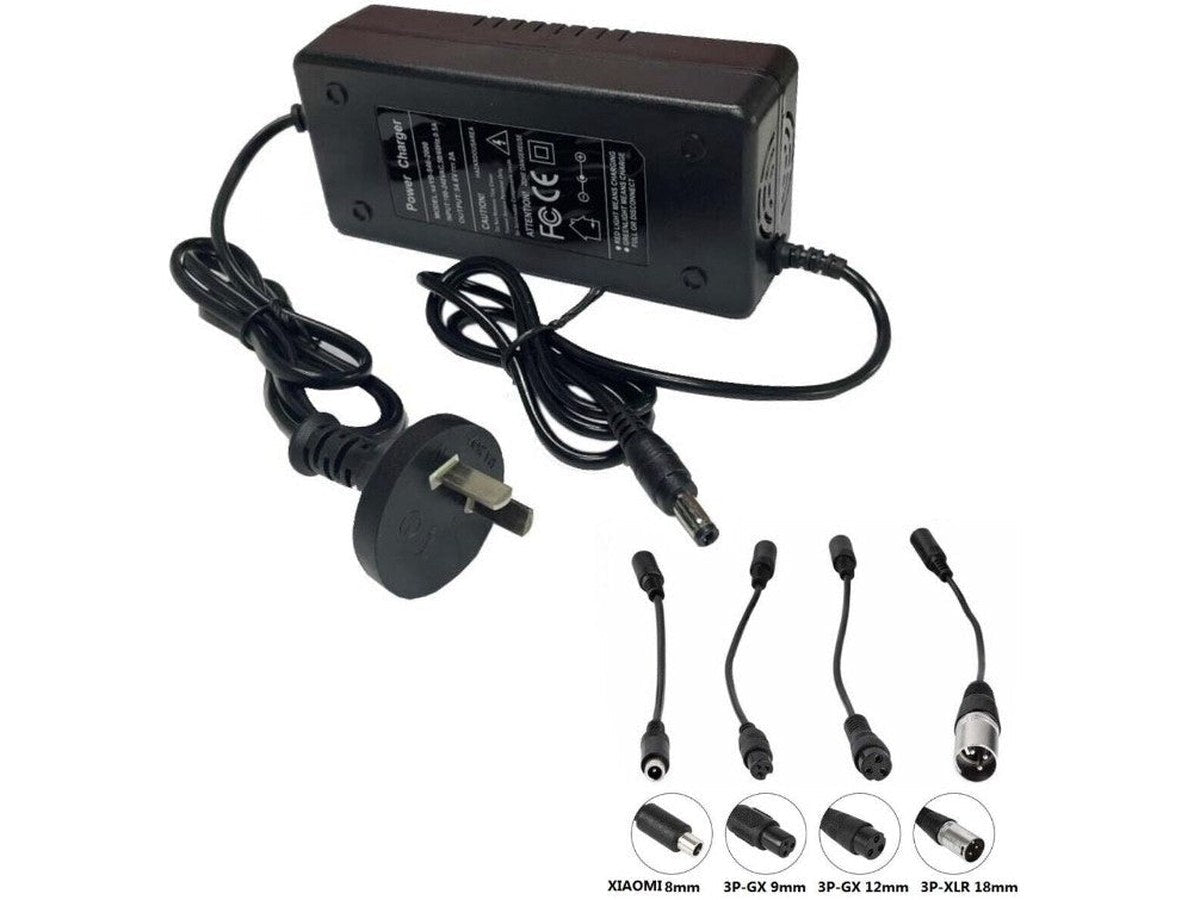
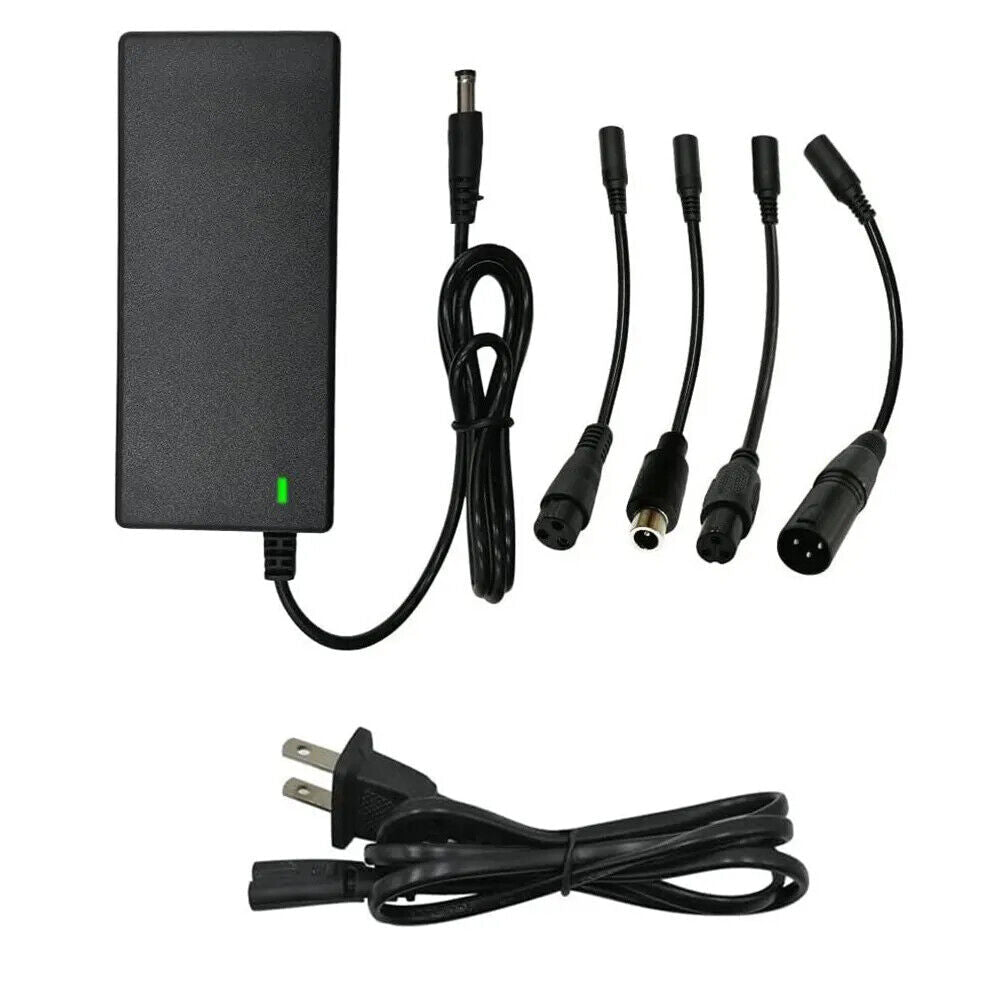
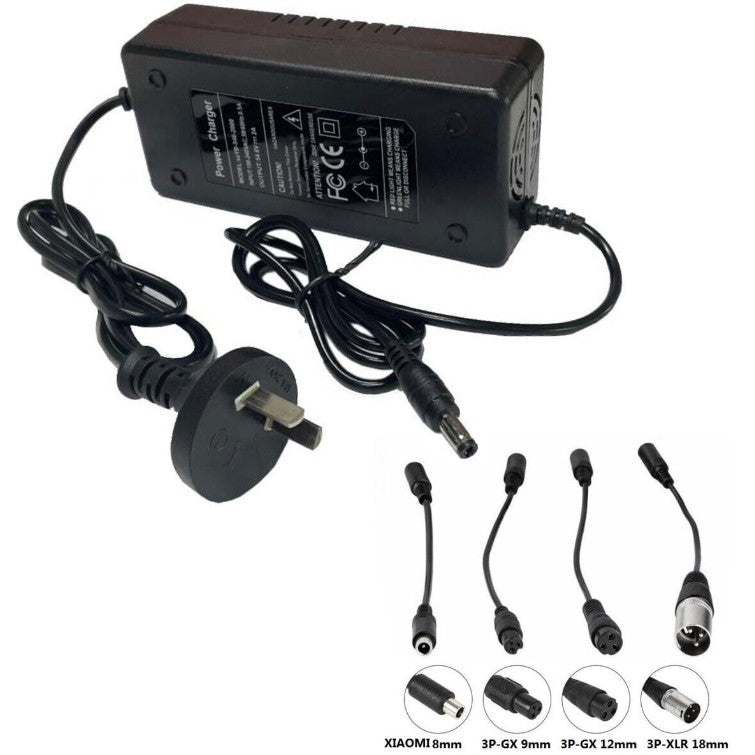
Round plugs can have different outside diameters, centre-pin sizes and polarities. Multi-plug kits improve physical compatibility but cannot correct an electrical mismatch. Compare the polarity symbol and dimensions with the original charger.

Charging current and safety
A higher amp rating is not automatically better. The battery-management system and cells must support it. Charge on a hard, ventilated surface away from exits and combustible materials. Stop if the battery is swollen, wet, damaged, unusually hot or has suffered an impact.
Shop compatible chargers
- 42V 2A five-plug scooter charger
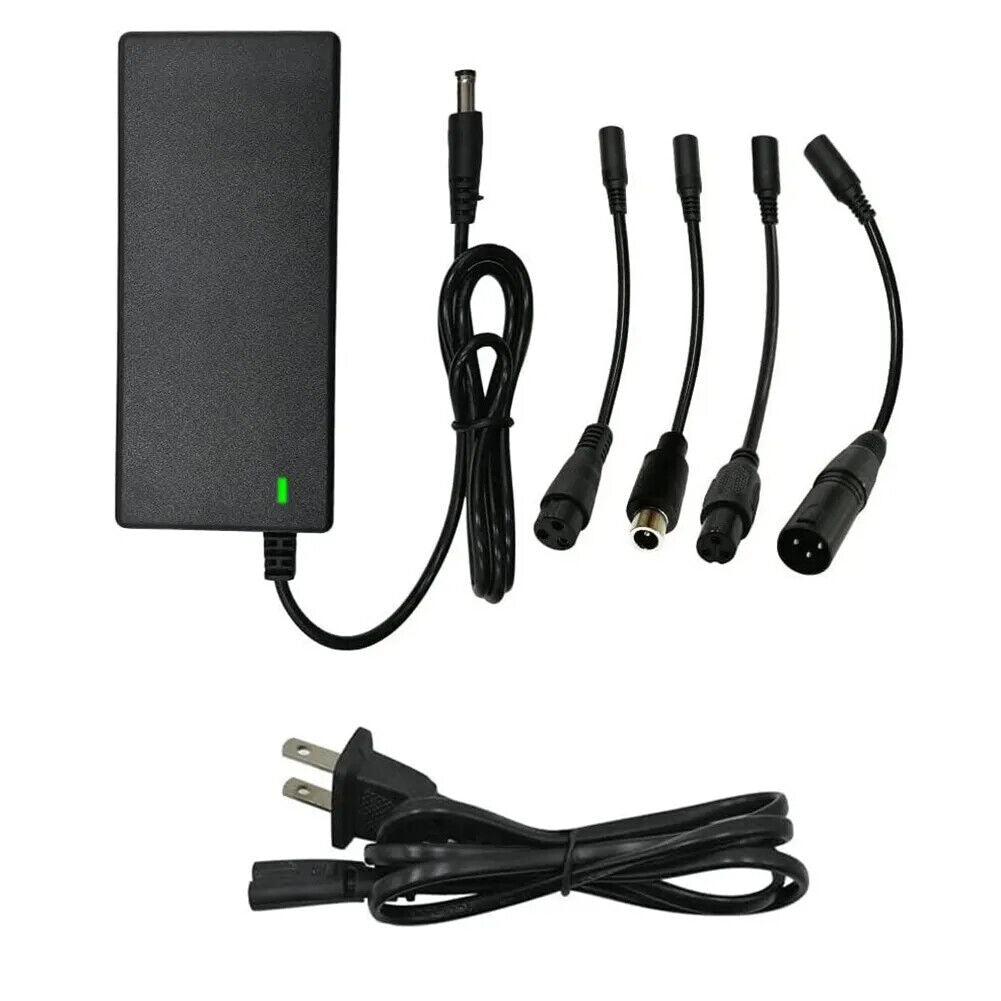
- 54.6V 2A charger for compatible 48V batteries
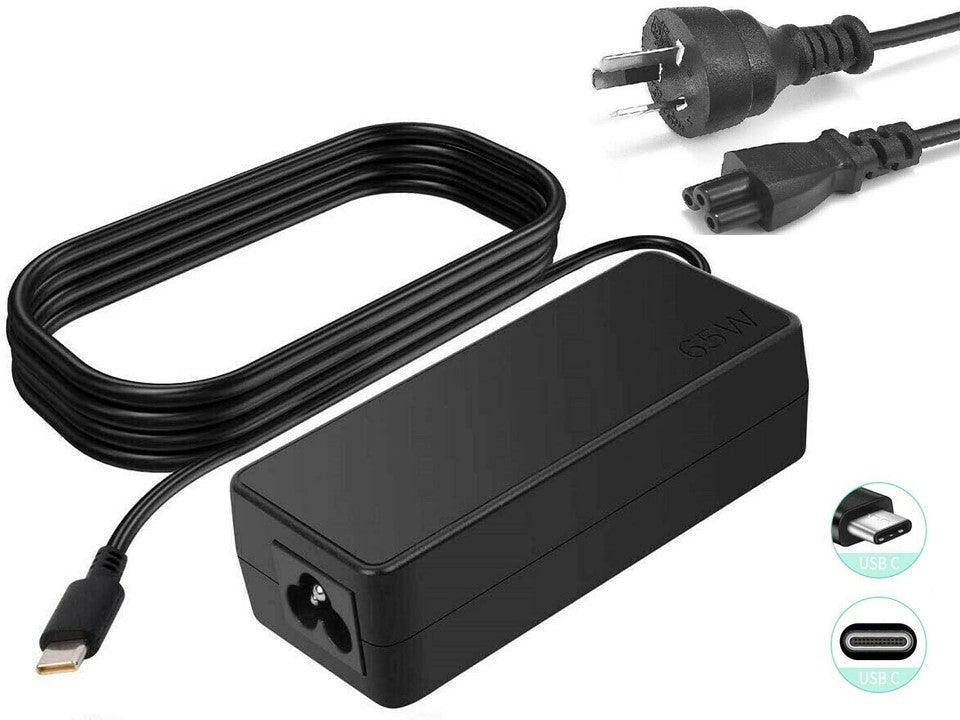
- All chargers and adapters
FAQs
Can I use 54.6V on a 36V battery?
No. It is too high for a typical 36V pack and can be dangerous.
Can I use the same voltage with a different plug?
Only when voltage, current, chemistry, connector dimensions and polarity are all confirmed.
Is 3A always faster than 2A?
It may deliver more current, but the battery must explicitly support it.
Products linked in this guide
-
5 Plugs Electric Power Adapter Charger AC to DC 42V 2A For Scooter $70.00 NZD View current product details
-
54.6v 2a Charger For 48v Li-ion Battery Charger Dc Socket/connector For 48v 13s Lithium Ebike Battery $76.00 NZD View current product details
Check the product page for current specifications, compatibility and availability.