Charging & power · Care & ideas
Lithium Battery and Charger Safety Guide Australia
Check chemistry, voltage, plugs and cell size before choosing lithium batteries or chargers for RC, e-bike and home use.
In this guide · Jump to a section
Lithium battery safety begins before a purchase or a charge. A cell, battery pack and charger need to agree on chemistry, voltage, connector and use. A familiar-looking plug or a matching diameter is not enough.
This guide helps you compare 18650, 21700 and 22650 cells, LiFePO4 chargers, RC packs, and e-bike or scooter charging gear. It focuses on the checks that prevent a mismatched connection. Read the label on the existing battery and the device manual before you order.
Read four details before selecting a lithium battery
First, identify the battery chemistry. Lithium-ion and LiFePO4 are not labels to treat as interchangeable. A charger must be designed for the chemistry specified by the battery manufacturer. Check the nominal voltage and the stated charging voltage as separate values where both appear.
Second, record the full voltage. The listed RC packs are 7.4V, while the e-bike and scooter charger is stated for 36V lithium-ion batteries. The LiFePO4 chargers are listed as 14.6V chargers for 12V LiFePO4 batteries. Those are distinct applications.
Third, inspect the physical connection. A cell may be flat-top or have a raised positive terminal. A pack may use a Deans plug. The e-bike charger is listed with a three-pin XLR plug. Confirm the exact connector type and orientation without forcing anything.
Finally, compare current needs. Cells can list a continuous discharge rating, such as 15A or 20A. That number relates to the cell’s stated output capability. The device, pack design and maker guidance decide what is appropriate for a given job.
Cylindrical lithium cell size chart
The number in a cylindrical cell name commonly describes its approximate dimensions. It is a helpful first filter, but not a complete compatibility test. Use the table with the product label, device compartment and required terminal type.
| Cell name | Approximate size meaning | Check beyond size |
|---|---|---|
| 18650 | 18 mm diameter, 65 mm length | Voltage, terminal, protection and current rating |
| 21700 | 21 mm diameter, 70 mm length | Voltage, terminal, protection and current rating |
| 22650 | 22 mm diameter, 65 mm length | Voltage, terminal, protection and current rating |
Do not combine cells of different sizes, ages or states of charge in a device designed for matched cells. Replace packs rather than opening sealed packs unless you have the manufacturer’s approved service process. Individual cells need the correct cell holder or pack design for the equipment.
Match a charger to chemistry, voltage and plug
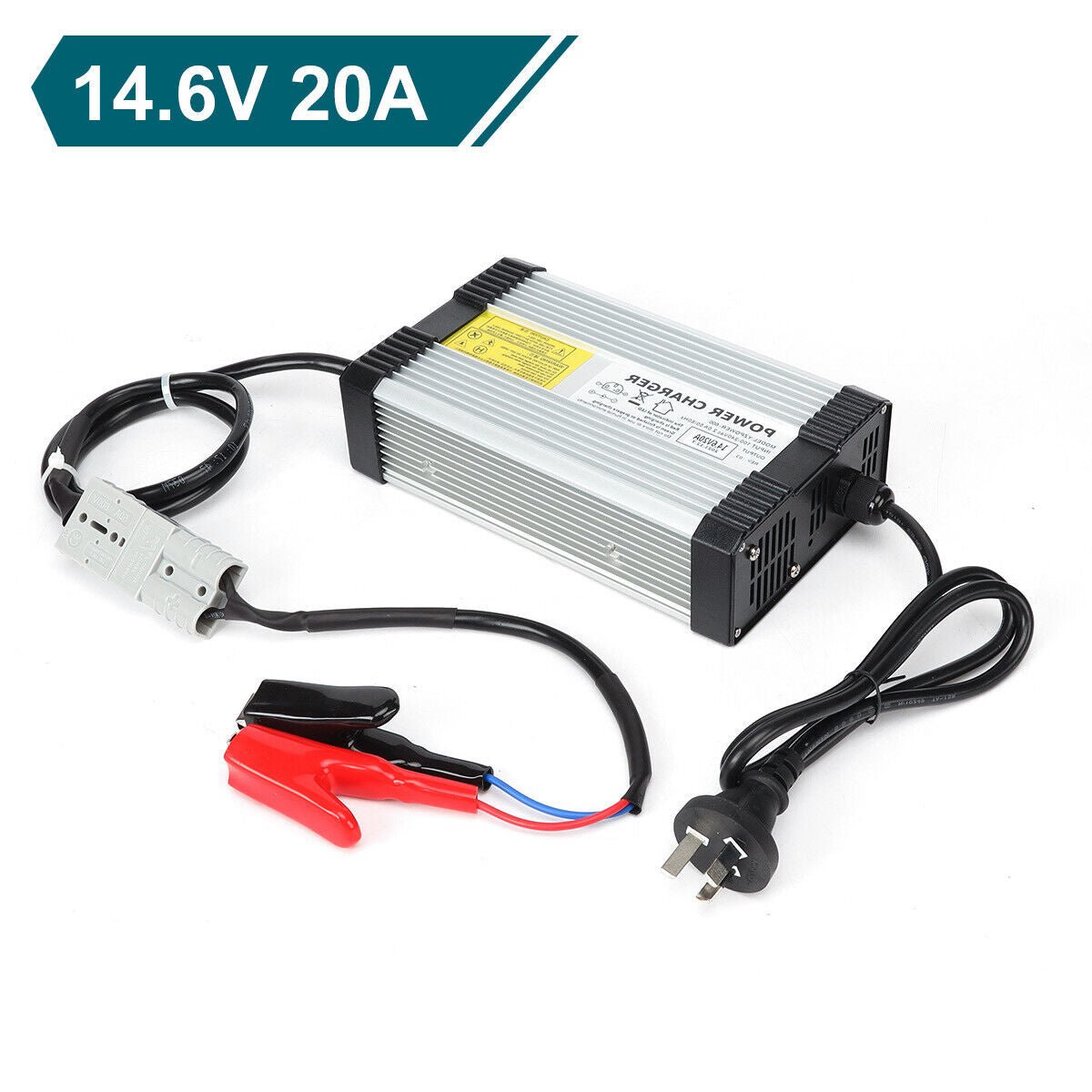
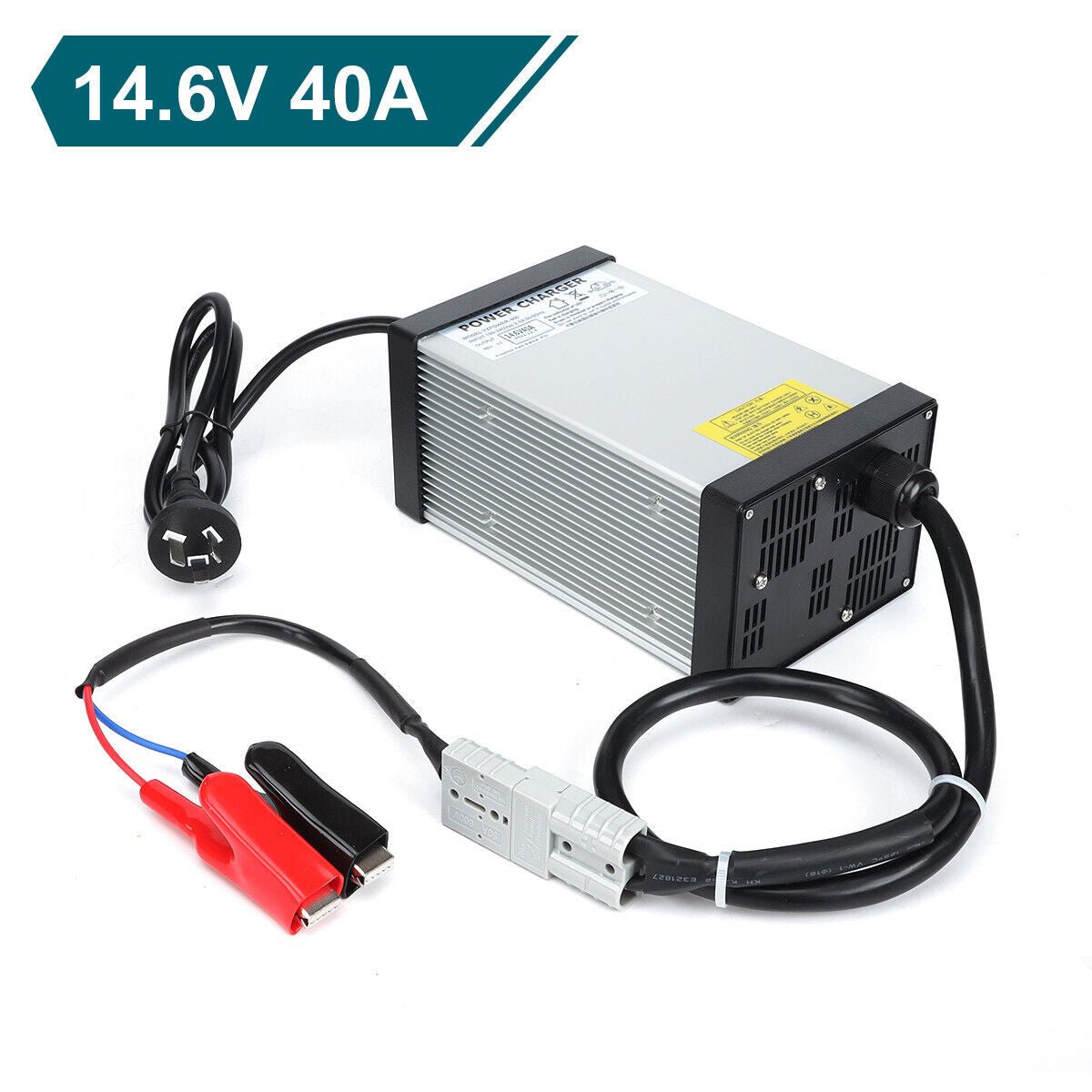
Use the battery’s label as the source of truth. A 12V LiFePO4 battery and a 36V e-bike battery need different charging equipment. The two LiFePO4 charger options here are both stated at 14.6V, with 20A and 40A outputs. Their descriptions name a constant-current, constant-voltage charging approach.
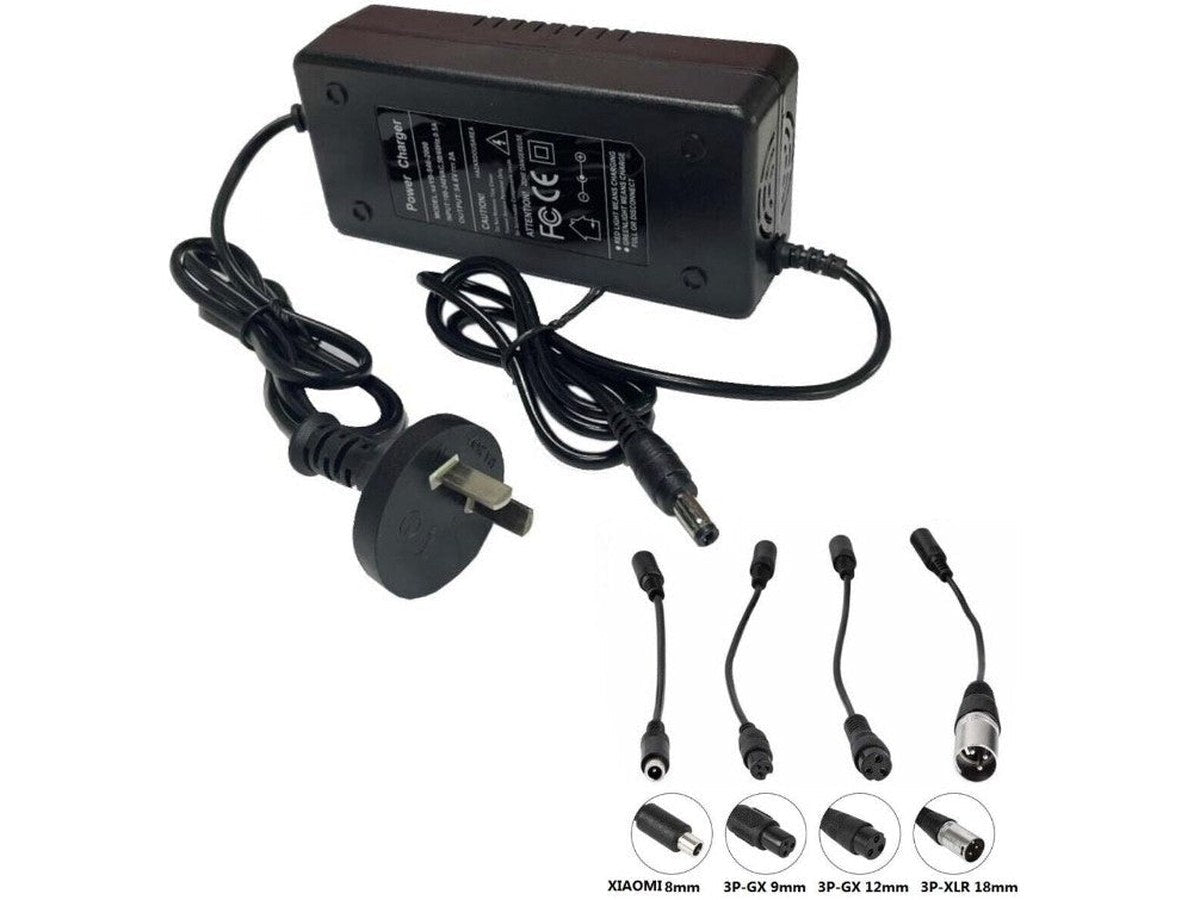
For a bike or scooter system, identify the battery voltage and the connector before selecting a charger. The 36V option listed below names a three-pin XLR connector. Never file, bend or adapt connectors by guesswork. A plug that seems close can still have different wiring.
Charge in a dry, open area on a hard, non-flammable surface. Keep combustible items away. Stay nearby while charging, and use the battery maker’s instructions for indicators and completion. Stop if the pack becomes unusually hot, swollen, leaks, smells unusual or has damaged leads.
Capacity and discharge ratings answer different questions
Capacity is commonly shown in mAh. For example, some listed cells show 2500mAh, 3000mAh or 5000mAh. At a comparable voltage, capacity can help estimate stored energy. It does not establish that a cell is safe or suitable for a particular device.
A continuous discharge figure, when provided, is another separate label. The listed 21700 cell has a 15A continuous discharge rating, while the listed 25R 18650 cell has a 20A rating. Match the device’s demand to the battery maker’s requirements. Do not choose only by the largest number in a listing.
Battery packs need the same care. Check the pack voltage, capacity, plug and physical dimensions. An RC pack with a Deans plug is not a substitute for a loose cell, even if both use lithium-ion chemistry. Keep original pack wiring intact.
Compare lithium batteries and chargers
OfficeCatch lists the following products with the chemistry, voltage and connection details shown in their product information. Treat this as a comparison sheet, then verify all labels on your own equipment.
| Product | Type | Voltage shown | Format or connection |
|---|---|---|---|
| 14.6V 20A LiFePO4 charger | LiFePO4 | 14.6V | 20A |
| 14.6V 40A LiFePO4 charger | LiFePO4 | 14.6V | 40A |
| 18650 7.4V battery pack | Li-ion pack | 7.4V | 18650 pack |
| two-pack 22650 cells | Li-ion cells | 3.7V | 22650, raised positive |
| two-pack 21700 50E cells | Li-ion cells | not stated in title | 21700, 15A |
| two-pack Tavice 25R cells | Li-ion cells | not stated in title | 18650, flat top, 20A |
| 36V e-bike/scooter charger | Li-ion charger | 36V | three-pin XLR |
| 7.4V Deans RC battery pack | Li-ion pack | 7.4V | Deans plug |
| Tavice 30Q 18650 cell | Li-ion cell | 3.6V | 18650, flat top, 15A |
For an individual replacement cell, check compartment size and terminal style first. For a pack, check voltage and its installed connector. For a charger, confirm chemistry, battery voltage, connector and recommended charge current as one complete match.
Handling, storage and transport checks
- Keep spare cells in a case that prevents terminal contact.
- Do not carry loose cells with coins, keys or tools.
- Keep batteries away from heat, water and direct sunlight.
- Do not use a crushed, punctured, leaking or swollen battery.
- Disconnect a charger before inspecting cables or connectors.
Label spare packs so their voltage and device are clear. Store them where children cannot reach them. Follow local rules and carrier instructions when transporting or disposing of lithium batteries. If the equipment manual conflicts with a generic rule, follow the equipment manufacturer’s directions.
FAQs
Can I charge a LiFePO4 battery with a standard lithium-ion charger?
Do not assume the chargers are interchangeable. Match the charger to the battery chemistry, voltage and connector stated by the battery maker. The LiFePO4 chargers in this guide are listed at 14.6V for 12V LiFePO4 batteries. Check the battery label and its instructions before connecting anything.
What is the difference between an 18650, 21700 and 22650 battery?
These names identify cylindrical cell sizes. An 18650 is about 18 mm wide and 65 mm long, while 21700 and 22650 cells are wider and longer. A cell must match the device’s physical space, voltage, terminal style and required discharge rating. Similar capacity does not make cells interchangeable.
How do I choose an e-bike or scooter battery charger?
Match the charger’s stated battery voltage and plug to the existing battery system. The 36V e-bike and scooter charger here uses a three-pin XLR plug. Check both the connector shape and the voltage label before purchase. Never force a plug or use an adapter without confirming the charging requirements.
Is a higher amp rating always better for a lithium charger?
No. A charger’s current rating needs to suit the battery and its battery-management system. Higher current can change charging time, but it is not a universal upgrade. Use the charging rate recommended on the battery documentation. For the listed LiFePO4 chargers, choose between 20A and 40A only after that check.
Products linked in this guide
-
14.6V 12V 20A Lithium Battery Charger For LiFePO4 Lithium Iron Plug Kit $146.00 NZD · Sold out View current product details
-
14.6V 12V 40A Lithium Battery Charger For LiFePO4 Lithium Iron Plug Kit $210.00 NZD · Sold out View current product details
-
18650 3000mAh 7.4V Rechargeable Lithium-Ion Battery Pack – Long-Lasting High Capacity $37.00 NZD View current product details
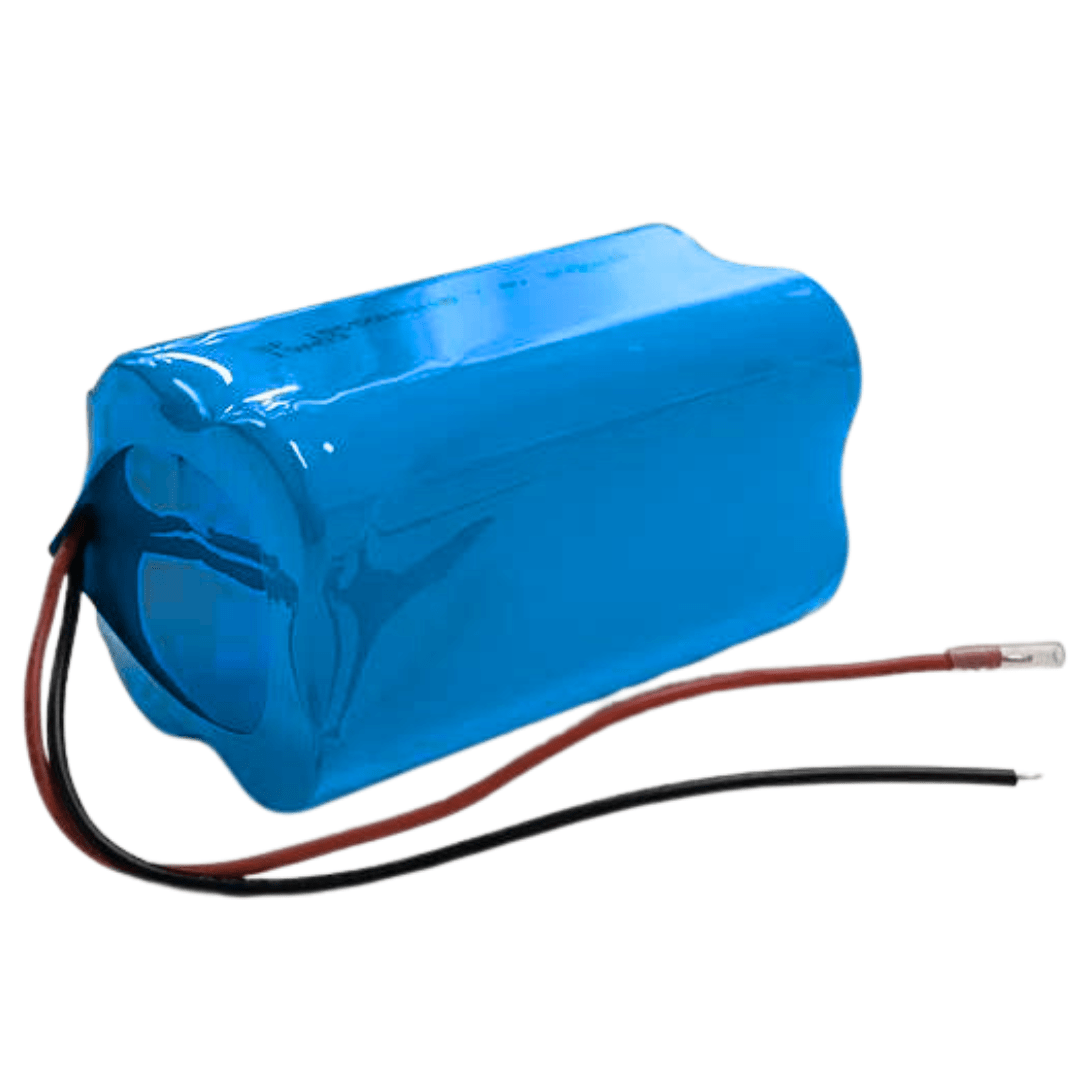
Check the product page for current specifications, compatibility and availability.